

If you live in London, the South East, East Midlands, East Anglia or parts of Yorkshire, there's a good chance hard water is quietly costing you money every single day.
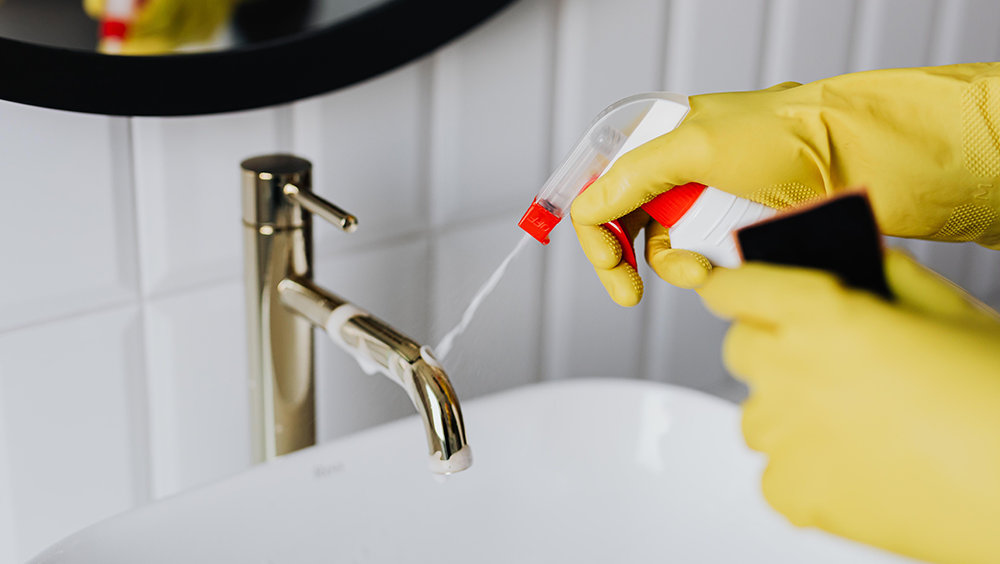
As homeowners, we all notice the white marks on taps, the crusty kettle element or the shower head that seems to lose pressure over time. What many don't realise is that these visible signs are only a tiny part of the problem.
The real cost of hard water is what you can't see.
What Is Limescale?
Limescale is a hard, chalky deposit made primarily from calcium and magnesium minerals found in hard water. When water is heated, these minerals are left behind and gradually build up inside kettles, boilers, hot water cylinders, pipework and appliances.
According to the Drinking Water Inspectorate (DWI), hard water causes scaling in hot water systems and domestic appliances, shortening appliance life and making them less efficient. The DWI classifies water above 200mg/l calcium carbonate as "hard" and above 300mg/l as "very hard". Check our postcode checker to get an estimate for your area.
Where Is Hard Water Worst In The UK?
The hardest water is generally found in:
- London
- The South East
- East Anglia
- The East Midlands
- Parts of the West Midlands
- Parts of Yorkshire
These areas sit on chalk and limestone geology, which naturally increases water hardness. Much of Scotland, Wales, Cornwall and much of the North West generally experience much softer water.
The Hidden Cost Of Limescale
I used to think "So what if theres a bit of limescale on my taps? I can buy cleaning products and just wipe down my shower screens and scrape off any build up on taps". But what about what we can't see?
1. Higher Energy Bills
Limescale acts like insulation around heating elements.
British Water figures referenced by multiple industry bodies show that just 1.6mm of scale can reduce heating efficiency by up to 12%. My utility bills are too high as it is without added costs...
Even a thin layer of scale can force boilers, immersion heaters and kettles to work harder and use more energy. Studies and industry analysis show that as little as 1mm of scale can reduce heat transfer efficiency by around 7%.
Potential Annual Energy Impact
For a household in a hard water area:
- Boiler efficiency losses: up to £200 per year (depending on useage, of course).
- Hot water cylinder inefficiency: additional heating costs.
- Kettle and appliance inefficiency: smaller but cumulative costs.
Total potential energy-related impact could exceed £100-£250 per year in very hard water areas.
2. Reduced Appliance Lifespan
The DWI confirms that scaling shortens the life of heating elements and domestic appliances.
Consider typical replacement costs:
| Appliance | Typical Replacement Cost |
|---|---|
| Kettle | £30-£100 |
| Coffee machine | £100-£1,000+ |
| Dishwasher | £300-£800 |
| Washing machine | £350-£900 |
| Boiler | £2,000-£5,000+ |
If limescale shortens the life of even one major appliance, the cost can be substantial. By the time these appliances break, they are often out of warranty.
3. Shower And Bathroom Damage
This is the one I relate to.
Limescale builds up around:
- Shower heads
- Mixer valves
- Tap cartridges
- Glass screens
- Tile grout
Many people end up replacing taps or shower components believing they have failed naturally when years of scale accumulation have contributed to the problem.
A replacement thermostatic shower can easily cost several hundred pounds. Premium bathroom taps often cost £150-£500 each before installation.
The Water Filter Question
One of the biggest misconceptions we get people asking about is:
"I'll just install a water filter and that will remove limescale."
Water filters are for giving you better tasting drinking water and will not soften the water.
To genuinely remove hardness minerals, you typically need a water softener.
That's why homeowners often install a drinking water filter, notice the water tastes better, but still see limescale appearing on taps and shower screens.
Water Softener Vs Water Filter: Which Do You Need?
Water Softener
Best for:
- Hard water areas
- Preventing limescale
- Protecting boilers and appliances
- Reducing soap and detergent usage
- Improving shower and tap performance
Water Filter
Best for:
- Improving taste
- Reducing chlorine
- Removing sediment
- Enhancing drinking water quality
The two technologies solve different problems.
Why You Might Choose Both
A growing number of households use a water softener to protect plumbing and appliances, combined with a dedicated drinking water filtration system.

For softening water, many customers choose our flagship EMS10 system.
The EMS10 is a compact, high-performance water softener designed to remove the calcium and magnesium minerals that cause hard water and limescale. It also reduces soap and detergent usage while helping to keep bathrooms, kitchens and glassware cleaner with less effort.
My favourite thing about soft water is that it improves my skin massively vs showing in hard water.
Could A Water Softener Save You Money?
Let's use a realistic example.
Potential annual benefits might include:
- £100-£200 lower energy costs through improved heating efficiency
- Reduced descaling products
- Longer appliance life
- Fewer shower and tap replacements
- Reduced boiler maintenance
Over ten years, the combined savings can potentially run into thousands of pounds depending on water hardness and household usage.
Once softened water is flowing through your home, existing limescale deposits gradually begin to dissolve and break down over time because the water is no longer saturated with hardness minerals.
So, Is A Water Softener Worth It?
Most people only notice limescale once it becomes visible.
If you live in a hard water area, a water softener is an effective long-term defence against limescale.
If you also want better tasting drinking water, pairing a water softener with a high-quality filtration system such as the BT65 Whole-House filter, gives you the best of both worlds: protection for your home and better water at the tap.
Water softeners also last for years, with the EMS10 coming with a 10 year parts and labour guarantee from East Midlands Water.
Before spending hundreds replacing taps, shower heads or appliances, it may be worth protecting them first with a water softener.


Laat een reactie achter
Deze site wordt beschermd door hCaptcha en het privacybeleid en de servicevoorwaarden van hCaptcha zijn van toepassing.